The Flavorful Debate: Pepperoni and Pineapple Pizza
Pizza Recipe Intro
When it comes to pizza toppings, few combos are as polarizing as pepperoni and pineapple. This culinary pairing evokes strong reactions, prompting conversations from dinner tables to online forums. In this section, we peel back the layers of this sweet and savory duo, diving into their origins, flavor profiles, and the cultural elements that make this pizza both adored and debated.
Overview of the Pizza Recipe Being Featured
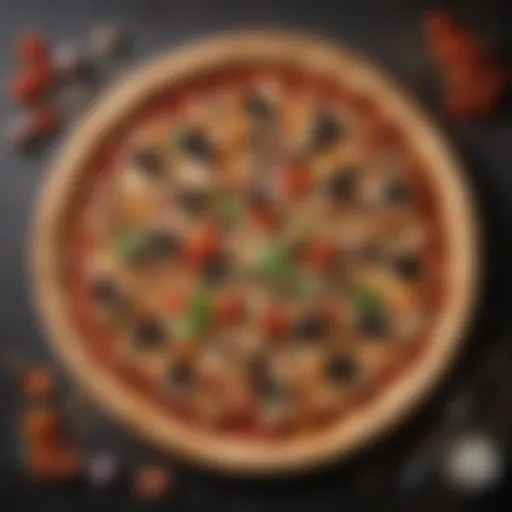
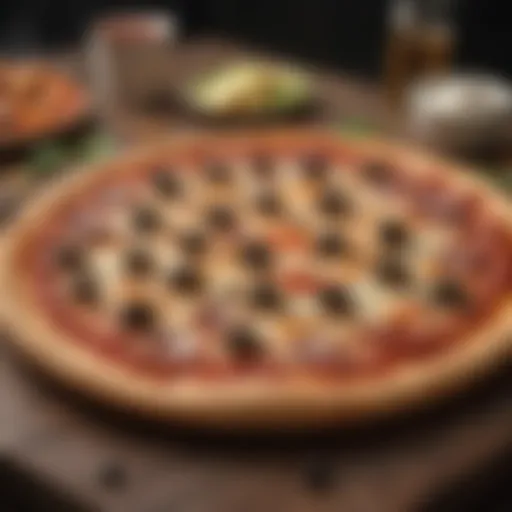
This recipe is not just about slapping some ingredients together. Instead, it’s an exploration of a beloved dish that balances hearty spiciness with tropical sweetness. The base will be a traditional tomato sauce mixed together with a dash of oregano and garlic. The crust, fluffy yet slightly crispy, is something that will surely complement the toppings.
Key Ingredients Needed
To recreate this pizza, you will need:
- Fresh pizza dough
- Homemade or store-bought tomato sauce
- Shredded mozzarella cheese
- Pepperoni slices
- Fresh pineapple, diced
- Optional: red pepper flakes for a touch of heat
Inspirations Behind the Recipe
This recipe pulls inspiration from various pizzerias around the world. The Hawaiian pizza, often attributed to a pizzeria in Canada, popularized the use of pineapple, while pepperoni’s origins hail from Italian immigrants in America. The blend of these two highlights an intersection of cultures that speak to the very essence of what pizza has become today. It’s more than just food; it’s a tapestry woven together by countless influences and stories, making it a canvas for flavor exploration.
Historical Context of Pizza
Understanding the historical context of pizza is essential for grasping its current standing in global cuisine. Pizza isn’t just a meal; it’s a tapestry woven from tradition, culture, and innovation. Throughout history, the art of combining dough with diverse toppings reflects the societies and eras in which these culinary creations emerged. Exploring this context sheds light on how the fusion of ingredients, like pepperoni and pineapple, can spark debates and even polarize opinions. The significance of this section lies not only in tracing the origins and evolution of pizza but also in recognizing how cultural exchanges have shaped our modern palates.
Origins of Pizza
The earliest seeds of what we now recognize as pizza can be traced back to ancient civilizations. Flatbreads adorned with various toppings were a common sight in locations such as ancient Greece and Egypt. While these initial endeavors didn't resemble our saucy, cheesy pie, they laid the groundwork for future developments. Historically speaking, the word "pizza" first appeared in a document in 997 AD, linked to a town in Italy.
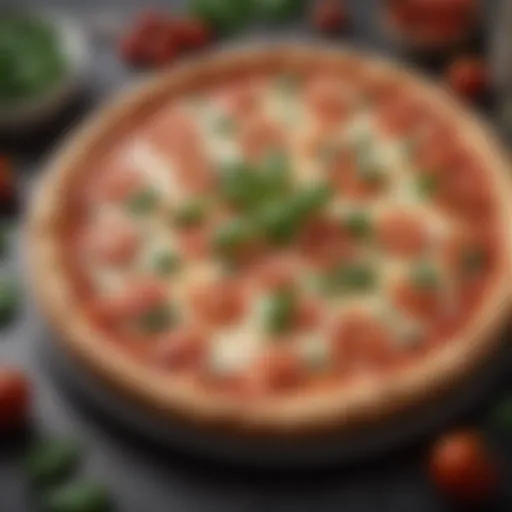
In Naples, the 18th century saw the birth of the modern pizza; this is where the combination of crust, sauce, and topping solidified pizza's evolution. The Margherita pizza, created in 1889, is notable for its simplicity and homage to Italy's flag with its green basil, white mozzarella, and red tomatoes. It's critical to recognize how this simple dish encapsulated a nation’s pride and cultural identity while starting a culinary revolution.
Evolution through the Years
Pizza underwent several transformations, both geographically and culturally, which significantly influenced its flavors and styles. From the streets of Naples, it found its way to America through Italian immigrants in the late 19th century. The American take on pizza embraced new ideas, adding local ingredients and toppings which deviated from traditional configurations.
Take, for instance, the rise of the deep-dish pizza in Chicago or the thin, crispy styles unique to New York. Each region developed its own interpretations, catering to local tastes and preferences.
- Neapolitan vs. New York Style: Neapolitan pizza is characterized by its soft, chewy crust and simplicity, whereas New York-style pizzas exhibit a foldable crust with a robust tomato sauce.
- Regional Variations: Beyond the U.S., countries like Brazil embraced their own toppings. Consider the Brazilian penchant for green peas on pizza or Japan's unique seafood and mayonnaise combinations.
As tastes evolved, the introduction of bold ingredients and flavor combinations became more prominent. Toppings once considered foreign or unusual, like pepperoni or pineapple, began making a name for themselves, changing the game and expanding the conversation about what true pizza could be. Thus, the evolution of pizza reflects broader changes in culinary trends, societal influences, and cultural integrations that continue to shape our eating habits.
In summary, pizza is a living entity that breathes history. Its origins connect deeply with Italy's cultural fabric, while its evolution showcases how culinary boundaries can be bent and reshaped as cultures intermingle. Understanding this historical context equips us to appreciate current debates around toppings like pepperoni and pineapple, a mere reflection of the ever-evolving story of pizza.
The Rise of Pepperoni
Pepperoni’s ascent in the realm of pizza toppings is no mere fluke; it’s a tale steeped in flavor and culinary evolution that has reshaped how we view pizza as a whole. To understand the significance of pepperoni, one must appreciate its journey from humble beginnings to its current status as a beloved staple in various pizzerias around the globe.
Culinary Journey of Pepperoni
Pepperoni, a variety of salami, finds its origins intertwined with Italian-American culture. The term itself has roots in the Italian word "peperoni," which translates to bell pepper, but in America, it took on a whole new identity. Italian immigrants arrived in the United States, bringing with them their rich culinary practices; it was in the melting pot of American culture that pepperoni began to carve out its niche.
The first recorded use of pepperoni on pizza dates back to the early 20th century, notably in New York and other major cities with strong Italian communities. The spicy and smoky flavor profile, thanks to the inclusion of paprika and other spices, captivated many palates. As soldiers returned from World War II, they carried back not only memories but also cravings for a taste of home, leading to the increased popularity of pepperoni on pizza.
Today, pepperoni is more than just a topping; it's a card-carrying member of the pizza family. It brings a sense of warmth and festivity, often grilled or crisped to perfection, creating that satisfying bite. Local pizzerias, food cart vendors, and upscale restaurants have embraced pepperoni, demonstrating just how adaptable this spicy salami can be.
Why Pepperoni Became a Staple
Why has pepperoni emerged as the go-to choice for many pizza lovers? There are several reasons at play. First, the flavor. The combination of savory, spicy, and slightly smoky notes provides an exciting contrast to the creamy cheese and tangy tomato sauce. It's like a dance on the palate, leaving an impression that few other toppings can match.
Additionally, pepperoni has a practical advantage: it pairs well with a variety of other toppings. Whether it's mushrooms, onions, or even pineapple, this salami enhancement melds seamlessly into the overall blend, culminating in a delightful explosion of flavor with every bite.
The social aspect also plays a role in its popularity. When you think of a pizza party or a friendly gathering, it's often pepperoni that graces the dining table. This familiarity contributes to its status as a comfort food, evoking memories of shared experiences.
Some key points that outline why pepperoni stands as a pizza heavyweight include:
- Availability: It’s widely produced and readily available in grocery stores and restaurants.
- Affordability: Compared to other gourmet toppings, pepperoni is generally budget-friendly, making it accessible for everyone.
- Cultural Significance: It has become a symbol of American pizza culture, reflecting the influence of Italian-American cuisine.
"Pepperoni on pizza is like a jazz ensemble; each bite plays its own note, contributing to a delicious symphony of flavor."
In sum, the rise of pepperoni is emblematic of how culinary traditions evolve, adapt, and take on lives of their own. As we move forward to explore the dynamics of pepperoni and pineapple pizza, it’s essential to appreciate how pepperoni, with its complex flavor and cultural significance, has laid the groundwork for the intriguing combinations that now grace our pizzas.
The Prelude of Pineapple
When it comes to pizza, few toppings stir as much conversation and controversy as pineapple. Its introduction to the pizza world marked a pivotal moment, one that intertwines culinary history with regional quirks. The blend of sweet and savory, which now feels commonplace, has deep roots in cultural exchanges and evolving tastes.
Cultural Roots of Pineapple on Pizza
The history of pineapple on pizza traces back to the mid-20th century when Sam Panopoulos, a Greek immigrant in Canada, made a bold choice in his restaurant's menu. Inspired by the trend of using canned pineapple, he topped a pizza with this tropical fruit, and thus, the Hawaiian pizza was born. This decision wasn’t just about flavor but also reflected a growing curiosity about fusion foods in post-war North America. The culinary landscape was shifting, with society becoming more open to experimenting with flavors that, at times, seemed at odds with tradition.
In Hawaiian culture, pineapple is a symbol of hospitality and welcome, a tidbit that further enriches its significance on pizza. This cultural backdrop plays a crucial role in understanding why this topping resonates with so many. It's not just a food choice; it's a conversation starter, a bridge between diverse culinary traditions.
The Sweet and Savory Debate
The combination of sweet pineapple and savory pepperoni ignites a passionate debate among pizza lovers. Some argue that fruit, especially one as sweet as pineapple, has no place on a pizza, which they see as a bastion of savory delights. On the flip side, proponents of the topping celebrate its ability to elevate and transform flavors—creating a unique aromatic experience with each bite.
This crossroads of taste leads to a deeper conversation about culinary appreciation and innovation. Here's a snapshot of perspectives:
- Opponents' View:
- Supporters' View:
- Traditionalists firmly believe pizza should stick to classic ingredients. For them, any deviation is seen as culinary sacrilege, a step away from what they consider authentic pizza.
- Enthusiasts argue that food should evolve. They appreciate the interplay of flavors, with sweet juices from the pineapple cutting through the spice of pepperoni, creating an unexpected yet harmonious experience.
Overall, this opposition isn't merely about pineapple. It's a reflection of changing palates and generational differences in how we perceive and enjoy food. The ongoing debate shapes the culinary landscape and keeps discussions around these flavor pairings fresh.
"The love for pineapple on pizza isn't merely about taste. It's about what we value in food—tradition versus innovation, nostalgia versus creativity."
Flavors and Textures
Understanding the flavors and textures in pepperoni pineapple pizza is crucial in appreciating its distinctive taste. This combination brings together a variety of sensations and tastes that excite the palate. The boldness of pepperoni contrasts beautifully with the sweetness of pineapple, and together they create an adventure for your taste buds. These elements are not just about eating; they form a culinary experience that speaks to our senses.
Understanding Flavor Profiles
When we think of flavor profiles, we usually refer to the unique tastes that each ingredient contributes to a dish. In the case of pepperoni, it offers a rich, spicy warmth that can vary from mild to medium heat, depending on the brand and preparation. Hickory-smoked pepperoni, for example, introduces a subtle smokiness, rounding off its assertive flavor. On the other hand, pineapple brings its own bright, tropical zing with a sugar content that balances the saltiness of pepperoni impeccably.
The beauty of this pairing lies in how these two ingredients interact. The heat from the pepperoni duplicates the sensation of heat from spicy foods, while the pineapple's sweet notes act like a soothing balm. This classic sweet-and-salty culinary dance creates a comfort that many find irresistible. Think about biting into a slice—a warm puff pastry delivering a tangy burst from the pineapple, followed by the meaty chewiness of the pepperoni. It’s a marriage of flavors that can appeal to both adventurous eaters and traditionalists.
The Role of Texture
Texture plays a pivotal role in how we experience food, and pepperoni pineapple pizza is no exception. A bite has to be more than just flavor; it’s also about how everything feels when it hits your tongue. The crispiness of the crust provides a nice crunch that enhances the overall eating experience, particularly if prepared properly. It's the sturdy base for the toppings, balancing not only flavors but also mouthfeel.
Pepperoni, when cooked, can become unctuous, releasing its oils and adding a greasy richness. This greasy texture can sometimes be perceived negatively, but in this context, it serves as a counterpart to the juicy and fibrous texture of the pineapple. The contrasting textures create a delightful complexity—soft and crunchy, chewy and moist. Each bite is a different experience that can either make you crave more or savor the moment.
In summary, the intricate balance of flavors and textures within the pepperoni pineapple pizza is a well-orchestrated performance. It goes beyond simple ingredients; it becomes a remarkable dish that embodies culinary creativity and satisfaction. It leaves a lasting impression not just on the palate, but also in the heart of food lovers worldwide.
"The combination of bold and sweet ingredients in pepperoni pineapple pizza allows it to become more than just food; it becomes an experience."
For further exploration of flavors and textures in food, you can visit Wikipedia on Flavor or Britannica on Culinary Arts. Conducting your own research will help deepen the understanding of how different elements come together to create something delicious.
Culinary Chemistry
Culinary chemistry is the compelling science behind the flavors and textures that we experience in every bite of food. Particularly when it comes to pizza, especially one topped with the unique combination of pepperoni and pineapple, understanding these principles can enhance both cooking techniques and flavor outcomes. The interactions between various ingredients can create surprising and delightful results. With pizza as the canvas, culinary chemistry plays a vital role in crafting perfect pizzas, balancing everything from sweetness and heat to acidity and umami.
The chemistry of cooking impacts both health and pleasure. For instance, the synergy between the spicy notes of pepperoni and the bright sweetness of pineapple not only tantalizes the taste buds but brings out the best qualities of each topping. Each ingredient in this duo performs a specific role, contributing to the overall gustatory experience. Therefore, it is crucial to explore the intricate dance of flavors and how they interact during the cooking process.
Interactions of Ingredients
When pepperoni meets pineapple, the interactions of these ingredients can be surprisingly complex. The fat in pepperoni can carry flavors intensely, while the acid in pineapple cuts through that richness, providing balance. These ingredients together can be likened to a well-rehearsed duet, where each note complements the other.
Here’s a breakdown of this interaction:
- Acidity and Fat: The acidity in pineapple can brighten the flavor profile of the greasy pepperoni, making each bite feel more vibrant. This is crucial as it prevents the dish from feeling weighed down.
- Sweetness vs. Spice: The natural sugars in pineapple contrast with the spicy notes in pepperoni, creating a layered taste experience that keeps the palate engaged. It’s almost as if one punch sets up another, leaving one craving more.
- Texture Play: Pineapple brings a fresh juiciness that counters the chewiness of the pepperoni, creating an enjoyable mouthfeel that keeps diners interested.
"The contrast of flavors between rich and sweet can invoke experiences and memories, making each bite a journey rather than just a meal."
Balancing Flavors
Achieving balance is paramount when it comes to flavors on a pizza. The synergistic relationships between different components can either elevate or overwhelm the dish. In the case of pepperoni and pineapple, the goal is to create harmony between heat, sweetness, and the baked crust.
- Component Ratios: The right amount of pepperoni can provide an assertive punch, but too much can dominate. Conversely, pineapple should offer just the right touch of sweetness; too much, and the flavor profile might skew syrupy.
- Cooking Temperature: How you cook your pizza influences these interactions. High temperature cooking achieves that crisp edge while enhancing flavors, allowing the toppings and crust to meld together beautifully.
- Herbs and Spices: Adding elements like basil or oregano can augment the flavors, tying together the components of the pizza. These herbs provide a herbal element that marries the sweetness of the pineapple with the savory notes of the pepperoni, enriching the overall flavor.
In summary, culinary chemistry offers a framework for understanding deliciousness, especially in sweet and savory combinations like pepperoni and pineapple. The delicate dance of flavors and textures is what makes each bite an adventure.
Regional Variants
The study of regional variants of pepperoni pineapple pizza is essential to understanding its global appeal and variations. Each region's take on this classic dish reflects local tastes, cultural influences, and ingredient availability, thus enriching the culinary landscape. From the heart of America to the coast of Italy, the way pepperoni and pineapple intertwine on pizza can vary dramatically, echoing the history and preferences of its eaters.
American Styles vs. International Takes
American styles of pizza often parade through a rich variety of toppings and techniques, making for a unique pepperoni pineapple rendition that is both beloved and sometimes misunderstood. Generally, in the U.S., one finds that the base tends to be thicker and fluffier, providing a robust platform that can hold the weight of these toppings. The pepperoni here is often sliced thicker, lending a heartier bite, while the pineapple can be cut into larger chunks, creating a sweet yet textured experience. Many pizza places opt for a heavier cheese blend, particularly mozzarella mixed with cheddar, accentuating the gooeyness and adding to that comforting factor.
On the flip side, international interpretations can surprise those who think they have seen it all. In Canada, for instance, they play with a richer tomato sauce, sometimes including herbs from the region for a distinctive tang. Then there's the Italian route, where purists might recoil at the sight of pineapple on a pizza altogether, but some adventurous pizzerias have begun incorporating it in ways that blend with local flavors, such as using speck instead of traditional pepperoni, offering a delicate smokiness to complement the sweet pineapple.
Traditional Vs. Modern Perspectives:
- Traditional Italian Pizzas: Often avoid unconventional toppings like pineapple, focusing on quality and simplicity.
- Modern Variants: More open to experimentation, including fusion toppings that blend cultures.
Fusion Creations
The fusion of pizza styles expands beyond geographical boundaries, embracing a cornucopia of influences. The innovative cooks of today are not afraid to push the envelope. In this category, one might find spicy Thai-inspired pepperoni pineapple pizz, often crafted with chili sauce and garnished with cilantro, marrying flavors in unexpected ways. There’s also the Japanese style, where teriyaki glazed chicken takes the place of traditional pepperoni, complemented by fresh pineapple, creating a beautifully balanced flavor profile that captures both umami and sweetness.
Another example is the Mediterranean fusion, which introduces ingredients like feta cheese, olives, and cherry tomatoes alongside the pepperoni and pineapple. This combination not only imbues the dish with freshness but also provides a textural contrast that is quite pleasing.
- Global Ingredients: Using diverse spices and toppings like kimchi or curry powder can lead to completely new flavor experiences.
- Local Influences: Each regional take incorporates local habits and palates, leading to surprising discoveries and a richer understanding of flavors.
In summary, these regional variants of pepperoni pineapple pizza not only highlight the culinary creativity of different cultures but also demonstrate how one dish can evolve through adaptation and experimentation. Each variation nurtures a deeper appreciation, leading enthusiasts to engage with the community of pizza lovers in fresher and sometimes surprising ways.
Controversies and Opinions
The conversation surrounding pepperoni and pineapple pizza is a vibrant battleground of opinions, fervently debated in households, restaurants, and online forums everywhere. This section sheds light on the reasons these discussions matter. It focuses on how personal taste shapes culinary identities, reflects on cultural influences, and intertwined regional preferences. Far from trivial, these controversies provide insight into not just food trends but human behavior itself. In delving into these dialogues, we can better understand what makes this pizza topping combination so polarizing.
The Pineapple on Pizza Debate
It seems just about every pizza lover has weighed in on the pineapple debate. On one side, there are ardent supporters who tout the combination as a revolutionary mix of sweet and savory, arguing that it enriches the overall pizza experience. They often cite how the acidity of the pineapple balances out the richness of the cheese and meat, creating a delightful contrast.
On the flip side, the opponents view pineapple on pizza as culinary sacrilege. “It’s just wrong,” they say, clinging tightly to their traditional notions of pizza. The argument often escalates quickly, with descriptors getting heated and emotional, underscoring how food preferences can become personal battle cries.
"Food is a canvas of culture; just as no two paintings are alike, so too are the palates that view them."
Ultimately, this debate reveals not just the division in tastes, but also the broader cultural attitudes toward food innovation and preservation.
Culinary Snobbery
In tandem with the pineapple debate is the undercurrent of culinary snobbery that seeps into discussions. Some food enthusiasts, often labeling themselves as ‘purists,’ dismiss the pineapple topping with a wave of their hand, promoting the idea that tradition should reign supreme. These people stick to classics like margherita or pepperoni, often looking down upon inventive experiments.
However, one must recognize a rather ironic twist—culinary crafting has always showcased the melding of diverse influences. Pizza’s evolution mirrors broader trends in gastronomy, where fusion and adaptability reign. It’s essential to open oneself to the possibility that perceptions can shift and that new variations can be just as respectable as the tradition itself.
Through these analyses, it becomes evident that the notion of culinary snobbery often stifles innovation. Just as the renowned chef Alice Waters championed locally sourced ingredients, we ought to celebrate the spirit of culinary exploration. After all, food reflects societies and their evolving intricacies.
Exploring these controversies helps demystify not only the preferences surrounding pizza but also enhances our appreciation for what food signifies across cultures. Understanding opinions—no matter how diverse—can lead to richer experiences, whether in the kitchen or at the dinner table.
Cooking Techniques
When it comes to crafting the perfect pepperoni pineapple pizza, cooking techniques are the unsung heroes that elevate a mere meal into a symphony of flavors. The approach to cooking can easily make or break the entire pizza experience. From the dough preparation to the application of toppings, proper techniques ensure that each element harmonizes rather than competes.
Preparing the Dough
The foundation of any pizza lies in its dough. A well-prepared dough is crucial, as it creates the ideal canvas for all the toppings yet to come. Start with high-quality flour—ideally, type 00 or bread flour for that chewy texture, as these types have higher proteins. Kneading is the key here; it develops gluten, giving the dough that characteristic elasticity and perfectly soft bite.
- Ingredients Matter: A simple blend of flour, water, yeast, and salt can be a game-changer, but be mindful of measuring accurately. Too much water leads to a floppy crust; too little, and your dough might crumble.
- Rising Time: Allow the dough to rise properly. This can take anywhere from a couple of hours to overnight in the fridge. The longer the rise, the better the flavor, thanks to the fermentation process. It’s like allowing your dough to have a good night’s sleep, waking up fresh and ready to shine.
- Stretching Technique: When it's time to shape the dough, avoid using a rolling pin. Stretch it by hand instead, preserving the air bubbles that form during fermentation. This helps in achieving a beautifully airy crust with a satisfying crunch.
The result? A dough that’s crispy on the outside but soft and savory within, forming an excellent stage for the toppings ahead.
Optimal Topping Methods
Once the dough is ready, placing the toppings is no small feat. Proper distribution and layering are essential to ensure an even cooking process. Let’s break it down:
- Sauce First: Spread a thin layer of pizza sauce evenly across the dough—garlic-infused or a classic marinara will do. Avoid heavy-handed application, as too much sauce can lead to a soggy base.
- Cheese Layer: Shredded mozzarella is a fan favorite for a reason. Sprinkle it generously but strategically across the sauce before adding your toppings. This helps to create a barrier, allowing the cheese to meld beautifully.
- Topping Placement: When adding pepperoni, layer it evenly, but don’t be shy about showing the pineapple some love too. Place the chunks in a way that each slice will carry a taste of both, rather than grouping them haphazardly.
- Temperature Control: Preheat your oven to a high temperature—450 degrees Fahrenheit or higher if possible. A hot oven is crucial for that sought-after crust texture. If you have a pizza stone, place it inside the oven during preheating to create an optimal cooking environment.
Pairing Suggestions
Pairing suggestions play a significant role in enhancing the overall experience when enjoying pizza, especially a unique combination like pepperoni and pineapple. The right pairings can elevate flavors and provide a delightful contrast, making each bite a different adventure. Understanding which beverages and sides complement this dish can transform an ordinary meal into something memorable.
Beverage Pairings
When considering what to sip alongside pepperoni pineapple pizza, it's important to find options that balance its rich, meaty flavors with the sweetness of the pineapple. Some noteworthy beverages include:
- Light Beers: A crisp pilsner or a smooth lager can provide a refreshing contrast to the savory elements of the pizza. Their carbonation helps cleanse the palate.
- White Wines: A chilled Riesling or a Sauvignon Blanc can match the sweetness of the pineapple while cutting through the grease of the pepperoni. These wines enhance the fruity notes without overwhelming the taste buds.
- Sparkling Water: Sometimes, simplicity is best. A dash of lemon can add a refreshing acidity that echoes the contrasting flavor profile found in the pizza itself.
- Craft Sodas: Unique flavors like ginger beer or a grapefruit soda can surprise the senses, mingling with the flavors of the pizza for an unexpected kick.
As one might say, “You eat with your eyes first,” but when it comes to this pizza, the drink might be half the experience.
Complementary Sides
Sides can further enhance the meal, providing additional textures and flavors to pair with the primary dish. Here are a few going beyond the usual garlic knots or salads:
- Garlic Parmesan Fries: The crunch and flavor of fries, topped with garlic and parmesan, adds a crispy element to your meal that melds well with the savory nuances of the pepperoni.
- Caprese Salad: Featuring fresh tomatoes, mozzarella, and basil, this salad adds a refreshing contrast with its own sweetness and tang, making each bite of pizza feel like a new experience.
- Coleslaw: A tangy slaw can bring an interesting crunch and tangy flavor that interact nicely with the sweetness of the pineapple. It's a bit unconventional but can be strangely satisfying.
- Stuffed Mushrooms: Offering a burst of flavor, stuffed mushrooms filled with cheese or herbs complement the pizza's richness, creating a harmonious balance that keeps the meal exciting.
The right balance between sides and beverages with pepperoni pineapple pizza serves not just to satisfy hunger but to create a delightful culinary adventure.
By keeping these pairing suggestions in mind, food enthusiasts can explore a deeper appreciation for the intricate dance of flavors found in pepperoni pineapple pizza. Each sip and side can turn an average meal into a gourmet experience.
Cultural Impact
Understanding the cultural impact of pepperoni pineapple pizza is essential because it reflects broader culinary trends and social dynamics within various communities. This beloved topping duo has stirred conversations and controversies that go beyond mere taste preferences. It embodies the intersection of tradition and innovation, sparking debates about authenticity while encouraging culinary experimentation.
Pizza in Popular Culture
In popular culture, pepperoni pineapple pizza has carved its niche, often serving as a metaphorical, and literal, crossroads between divergent taste preferences. Be it in sitcoms, films, or social media memes, it emerges as a symbol of both divisiveness and festive joy. The image of a pizza slice, beautifully adorned with golden pineapple chunks and spicy pepperoni, evokes nostalgia for pizza nights, family gatherings, and even casual office lunches. This culinary creation demonstrates how food can bridge gaps between generations and cultures, encapsulating shared experiences while also highlighting differing opinions about food.
“Pizza is like a universal language; everyone has their dialect.”
Moreover, the representation of pepperoni pineapple pizza in popular shows contributes to its image as a lighthearted topic that encourages spirited debates. Consider how characters in Friends or Parks and Recreation often enjoy pizza during pivotal moments. Such portrayals affirm pizza's role in social bonding while showcasing the varied opinions—some people loving the sweet and savory combination while others vehemently oppose it. These recurring themes only strengthen its presence in popular culture, illustrating how culinary preferences can transcend mere sustenance and become significant social markers.
Marketing and Trends
The marketing strategies surrounding pepperoni pineapple pizza illustrate the fast-evolving landscape of the food industry. With the surge of social media platforms, brands harness the power of visuals to promote this pizza combination. Flashy Instagram posts showcasing delicious, fresh-out-of-the-oven slices capture the attention of food enthusiasts and casual onlookers alike. Additionally, companies capitalize on trends to create limited-time offerings featuring this unique topping duo, attracting patrons looking for the next big culinary thrill.
In recent years, food delivery services and apps have also included pepperoni pineapple pizza in their advertising campaigns, tapping into a millennial-friendly marketing strategy. The concept of "Instagrammable" food—dishes that photograph well and promote engagement—fuels the popularity of this distinctive pizza combination. Brands leveraging social media influencers to showcase their pepperoni pineapple offerings create buzz and draw in crowds eager to experience this controversial delight.
One notable trend is the rise of gourmet pizza joints that challenge traditional perceptions by offering artisanal versions of well-loved favorites. Pepperoni pineapple pizza has gone upscale, with restaurants crafting their own versions using high-quality ingredients or special cooking techniques. That speaks to the ongoing evolution of how people relate to food. It’s not just about eating anymore; it’s also about the experience.


In summary, cultural impact is significant in understanding the place of pepperoni pineapple pizza within society. It serves as both a subject of debate and a bridge that connects people through shared experiences, laughter, and the joy of food. One’s preference for this pizza could often lead to discussions about culinary innovation, social dynamics, and the future of food in our rapidly changing world.
Health Considerations
The significance of health considerations in our culinary choices has gained prominence, particularly as individuals become increasingly aware of how their diets impact overall well-being. In this context, understanding the nutritional aspects of pepperoni pineapple pizza is crucial. Beyond mere enjoyment, it allows pizza lovers to savor this distinctive combination without compromising their health. So, what should you consider?
Nutritional Analysis of Ingredients
When dissecting the components of pepperoni pineapple pizza, it’s essential to look at the nutritional profile of its key ingredients. Here’s a breakdown to ponder:
- Pepperoni: This popular topping is flavorful yet often high in saturated fats and sodium. A typical serving can contain around 100 calories, 10 grams of fat, and up to 400 mg of sodium. Its savory taste stems from spicing, which may lead to higher cholesterol levels if eaten excessively.
- Pineapple: In contrast, pineapple is a nutritional powerhouse. A generous portion can bring about 80 calories, plenty of Vitamin C, and dietary fiber. The inclusion of pineapple not only provides a burst of freshness but also aids digestion. It balances the salty notes of pepperoni by adding a slightly tart sweetness.
- Dough and Sauce: The crust typically made from wheat flour contributes carbohydrates, which are a good energy source. However, refined versions lack whole grain benefits. Tomato sauce, the base for many pizzas, is rich in lycopene, an antioxidant that may even help in reducing the risk of certain cancers.
To sum it up, pepperoni pineapple pizza presents a delightful mix of nutrients—though moderation is key given the saltiness of pepperoni.
Moderation in Enjoyment
Even the most ardent pizza fans would concede that too much of a good thing can lead to health issues. Enjoying pepperoni pineapple pizza in moderation allows one to enjoy its distinct flavors while steering clear of potential health pitfalls. Consider the following:
- Serving Size Matters: It’s easy to overindulge on pizza. A standard slice often comes packed with calories. Experts suggest limiting oneself to one or two slices and balancing that with a salad or veggie side.
- Frequency of Consumption: Savoring this dish occasionally—perhaps during gatherings or celebrations—ensures that you retain the joy of it without making it a dietary staple.
- Pairing Wisely: Opting for lighter beverages, such as sparkling water or herbal teas, can offset the heaviness often associated with pizza. Furthermore, incorporating whole grain crust options can enhance fiber intake.
"Eating well is a form of self-respect. It's not just about what you consume, but also how you feel about those choices."
In summary, marrying the enjoyment of pepperoni pineapple pizza with thoughtful health considerations can create a satisfying yet mindful dining experience.
Pizza in the Digital Age
In today's fast-paced world, the way we interact with food has drastically changed due to technology, particularly through digital advancements. When it comes to pizza, and more specifically, the ever-controversial pepperoni pineapple pizza, the digital landscape enhances not just how we discover, prepare, and enjoy it, but also how we share our experiences.
The importance of understanding pizza in the digital age goes beyond just convenience; it dives deep into trends, cultural exchanges, and community engagement around food. With the rise of online platforms, people can access a treasure trove of information and connect with fellow pizza lovers across the globe. This connectivity offers unique benefits and considerations:
- Access to Diverse Recipes: The internet is home to innumerable recipes, allowing anyone to tailor their pepperoni pineapple pizza to suit their taste. Whether craving an extra spicy version or a more traditional approach, options are just a click away.
- Instant Feedback and Reviews: Consumers can share reviews in real-time, fostering a community that thrives on recommendations and discussions. Think of a pizza-lover leaving a glowing review on Reddit after trying a new twist on the classic.
- Digital Campaigns and Trends: Social media can catapult a simple idea into a phenomenon. Take, for example, viral challenges that encourage followers to experiment with topping combinations that include the debated pineapple on pizza. This not only promotes creativity but also challenges culinary norms.
Consider this thought:
"The digital age has transformed pizza from merely a meal into a vibrant culinary community where every slice tells a story."
As we explore the intricate dynamics of pepperoni pineapple pizza, it's essential to recognize how the digital era shapes preferences, inspires innovations, and fosters discussions that may influence the future of this beloved dish.
The Role of Social Media
Social media platforms have become the heartbeat of culinary creativity, especially for something as polarizing as pepperoni pineapple pizza. Various apps and websites, be it Instagram, TikTok, or Facebook, enable users to share their culinary creations with just a snap and a tag. The visual allure of a gooey slice topped with juicy pineapple and spicy pepperoni can draw in viewers, inspiring them to create their version.
Engagement around these dishes draws attention to the cultural context and debates surrounding them. Hashtags like #PineappleOnPizza or #PizzaLovers not only gather enthusiasts but also create a sense of belonging among those with similar taste preferences or culinary adventures, even if opinions differ sharply. This creates a platform for heated discussions, laughter, and community solidarity every time someone dares say "yes" to pineapple on their pizza.
Online Recipes and Communities
The internet stands as a vast resource for culinary exploration. With numerous blogs and cooking sites, pizza lovers can find detailed recipes that suit any palate. Websites such as allrecipes.com or foodnetwork.com host a treasure trove of innovative pepperoni pineapple recipes, each offering step-by-step guidance and tips from fellow enthusiasts.
These virtual communities allow users to exchange tips, create polls about favorite toppings, or share their cooking successes on platforms like Reddit or Instagram. Here, people can post pictures of their successful creations, gleaning praise from fellow users or even constructive criticism.
Future Trends in Pizzas
The pizza landscape is evolving at a remarkable pace, reflecting changing consumer preferences and advances in culinary techniques. This section dives into the future trends in pizzas, particularly focusing on innovative ideas and sustainable practices that might redefine how we perceive this beloved dish. Understanding these trends not only informs food enthusiasts but also prepares pizzeria owners and home chefs for the dynamic nature of the industry.
Innovative Topping Combinations
One can't ignore the creativity that has infiltrated the world of pizza toppings, particularly as gastronomical boundaries expand. While the traditional pepperoni and pineapple combination remains a fan favorite, the rise of adventurous palates has ushered in a variety of innovative topping ideas.
In recent times, you might stumble upon pizzas featuring unexpected blends such as:
- Spicy Honey and Prosciutto: The sweet heat from honey paired with the savory richness of prosciutto creates a delightful dance of flavors that tantalizes the taste buds.
- Buffalo Cauliflower: For those who appreciate a meatless option, grilled cauliflower tossed in buffalo sauce stands out as both a bold and healthier alternative.
- Fig and Goat Cheese: Combining figs’ natural sweetness with creamy goat cheese offers a unique flavor profile that’s both sophisticated and satisfying.
As culinary techniques continue to advance, the concepts of fusion also come into play. Flavor experts are blending global cuisines on one doughy canvas, creating a surge of fusion pizzas that excite both the palate and the imagination. You might find an Indian-inspired butter chicken pizza or a Mexican take with chorizo and jalapeños. The possibilities are limited only by the imagination.
Sustainable Practices in Pizza Making
As environmental consciousness rises, sustainability has become a crucial concern in pizza production. Not only does this trend speak to a growing audience that prioritizes eco-friendly choices, but it also represents an essential shift in how ingredients are sourced and how pizzas are made.
Sustainable practices in pizza making entail several considerations:
- Local Sourcing: Using ingredients from local farmers reduces the carbon footprint associated with transportation while often yielding fresher produce. This means ripe tomatoes, fragrant herbs, and locally produced cheeses don’t just taste better; they also support regional economies.
- Waste Reduction: Innovative pizzerias are employing techniques such as utilizing vegetable scraps for homemade sauces or stock, ensuring minimal waste. This not only saves money but promotes a circular economy.
- Eco-Friendly Packaging: Transitioning to compostable or recyclable packaging as an alternative to single-use plastics resonates with environmentally aware consumers.
By adopting these sustainable practices, pizza makers are not only securing a place in the future of food but also appealing to a growing demographic that prioritizes sustainability over convenience.
“Making pizzas with a conscience not only elevates the dining experience but also cultivates a community of responsible consumers.”
Ending
Reflecting on the fascinating blend of pepperoni and pineapple pizza, it becomes clear that this unique combination embodies a culinary crossroads. It represents more than just a fusion of flavors; it symbolizes cultural openness and a willingness to embrace contrasts. The discussions surrounding this topping duo, with opinions often varying widely, further deepen its significance in modern pizza culture.
Final Thoughts on Pepperoni Pineapple Pizza
To ponder on this peerless pizza pairing is to engage in a broader dialogue about preferences and culinary boundaries. While many delight in the harmonious dance between sweet and savory, others are staunchly against it, considering it a betrayal to traditional pizza norms. This divide sparks conversations that go beyond mere taste; it forces us to question what makes food enjoyable. Instead of being solely about what we eat, it’s also about why we enjoy certain combinations. The spotlight on pepperoni and pineapple invites us to explore our individual histories, cultures, and baggage attached to food. It reflects not only personal tastes but also wider societal trends and shifts.
The Enduring Appeal of Pizza
Pizza, in all its forms, continues to capture the imagination of food lovers worldwide. Its adaptability allows for a multitude of variations, making it relevant across various cultures and personal preferences. The enduring appeal of pepperoni and pineapple pizza also rests on its ability to bring people together—be it during festive gatherings or casual weeknight dinners. The oozing cheese, spicy pepperoni, and juicy pineapple create a multisensory experience that many find irreplaceable. Moreover, as more individuals seek global flavors in their local eateries, the popularity of such unconventional combinations may continue to soar. In essence, the interplay of pepperoni and pineapple on a slice of pizza not only serves a culinary purpose but acts as a cultural phenomenon, encouraging food exploration while making room for differing opinions.
"Food is a universal language that speaks to individual experiences, preferences, and histories."