Mastering Home Pizza Making: Tools, Techniques, Recipes


Intro
Homemade pizza has a way of bringing out the culinary artist in anyone. It’s not just about slapping toppings on dough and throwing it in the oven; it’s a dance of science and art. There’s something deeply satisfying about crafting your own pie from scratch. With every knead of the dough, and each carefully chosen ingredient, you’re creating a masterpiece bound to delight your taste buds.
Making pizza at home can be more than just a meal. It’s an experience that brings friends and family together, transforming an ordinary evening into a memorable occasion. Whether it’s a classic Margherita or a loaded meat feast, understanding the components and techniques involved can elevate your pie from mundane to extraordinary.
So, let’s roll our sleeves up and explore the myriad possibilities that home pizza making offers—from selecting the right ingredients to mastering the art of baking. This guide aims to give you both the foundational skills and the creative inspiration to make pizzas that not only feed your hunger but also feed your imagination.
Preamble to Home Pizza Making
In the ever-evolving world of culinary arts, the homemade pizza stands as a testament to creativity, tradition, and personal expression. This article serves as a comprehensive guide to understanding and mastering this delightful craft. From the subtle nuances of dough preparation to exploring innovative topping combinations, we aim to cover it all. Pizza making at home is more than just a culinary task; it’s an experience that invites joy, experimentation, and even a bit of friendly rivalry among friends and family.
The importance of diving into home pizza making lies in the control it offers over quality and flavor. When you take the dough, sauce, and toppings into your own hands, you also take the reins on the health aspects of your meal. Knowing what goes into your food can lead to choices that cater to dietary needs and preferences, allowing for a guilt-free indulgence.
Beyond that, nothing compares to the aroma that fills your kitchen as your pizza is baking. It's an experience that’s rich with anticipation and satisfaction. Creating a pizza from scratch allows you to experiment with flavors unique to your locality, perhaps incorporating local cheeses or fresh vegetables from nearby markets, weaving a personal touch into every slice.
Understanding the Appeal of Homemade Pizza
There's something undeniably captivating about making pizza at home. First, it’s rooted in the very human desires of creativity and connection. This process envelops the cook in a comforting ritual, from kneading the dough to selecting the freshest ingredients. It’s an invitation to play with flavors, textures, and even shapes. Whether you're crafting a classic Margherita or an adventurous barbecue chicken pizza, the possibilities are limitless.
Moreover, gathering friends and family to craft a pizza together transforms an ordinary meal into a shared experience. A quick look at social media reveals countless stories of families crafting pizzas, each person adding their flair. These gatherings highlight the communal aspect of sharing food, where everyone contributes to a masterpiece that reflects individual tastes.
"The only thing better than a great pizza is one that you made yourself with the people you care about."
This connection to culture plays an essential role in the appeal of homemade pizza. People often connect pizza with memories—perhaps a family tradition of Friday night pizza-making or a college experience of experimenting with unusual toppings. Tapping into these nostalgic drives elevates the activity to a personal level, allowing pizza-making to bridge generations of culinary tradition.
The Global Influence of Pizza
Pizza, a culinary creation that hails from Italy, has undergone a remarkable metamorphosis as it spread across the globe. Its adaptability has allowed it to assimilate local ingredients and cultural flavors. This results in varieties that are unique to different regions. In India, one might find a paneer-tikka pizza topped with spices that ignite the palate, while in North America, a classic New York slice presents a chewy crust with a simple yet effective tomato sauce and cheese.
Across various cultures, pizza has also become a canvas for innovation. From gourmet toppings like truffle oil and foie gras to vegan cheese for the plant-based eater, each culture adds its own twist to the basic framework of dough, sauce, and toppings. The global influence of pizza shines a spotlight on how food can evolve, embrace change, and still remain rooted in its heritage.
Ultimately, the journey from a traditional Italian dish to a worldwide staple showcases the universal love for flavor and creativity. Each bite tells a story of adaptation, cultural exchange, and an ever-expanding palette.
In the subsequent sections, we will explore the essential tools for pizza creation, delve into the foundations of pizza dough, and much more, making this guide an indispensable resource for both novices and seasoned enthusiasts alike.
Essential Tools for Pizza Creation
Creating the perfect pizza at home is not just an art; it's a science that requires the right tools. These tools are essential in shaping the texture of your crust, ensuring the even application of toppings, and achieving that sought-after golden finish when baking. When one is armed with the proper equipment, pizza making can transform from a mundane chore into a delightful culinary experience. Let’s dive into some critical equipment that can elevate your pizza game.
Choosing the Right Pizza Stone or Steel
The foundation of a great pizza often begins with the choice of baking surface. A pizza stone or a steel is pivotal as it stores heat and distributes it evenly across the surface of the pizza. Stones, made of porous materials, absorb moisture released during baking, resulting in a crispier crust. On the other hand, pizza steels, typically made from thicker steel, can conduct heat more efficiently, leading to a faster bake and a crust that’s both crispy and chewy.
When selecting between a stone and steel, consider the following:
- Heat Retention: Steel generally retains heat more effectively than stone, making it ideal for high-temperature baking.
- Thickness: A thicker steel can withstand higher temperatures for a longer duration; however, it weighs more.
- Usage: If you may be using it for other dishes, a stone could have broader applications, while steel is primarily pizza-focused.
Ultimately, the decision comes down to personal preference. Test each surface type to see which one aligns with your desired pizza outcome.
Must-Have Accessories
Once the baking surface is sorted, the next step is to gather the accessories that will help in the entire process of making pizza from start to finish.
Pizza Peel
A pizza peel is an indispensable tool in the pizza-making process. This flat-board-like device, often made of wood or metal, aids in transferring raw pizzas to the oven. One of the key characteristics of a peel is its size and shape; it needs to be large enough to hold your pizza without risk of it falling off the edges.
Why is it beneficial? The peel's flat surface allows for easy sliding of the pizza onto the pizza stone or steel while the long handle keeps the baker's hands safe from the oven’s heat. Moreover, a peel often features a smooth surface that helps in preventing sticking, especially when dusted with flour.
However, a wooden peel can absorb moisture, which might require regular seasoning; also, they can be bulky and need considerable storage space. On the other hand, metal peels are lighter but can be harder to manage when it comes to getting pizzas in and out.
Cutting Tools
Cutting tools, such as pizza cutters, scissors or knife, allow for the precise slicing of your freshly baked pie. A quality pizza cutter not only cuts through the crust but also prevents the toppings from shifting. A standout feature of many pizza cutters is their wheel design, which makes them extremely effective.
The ease of use it offers is a major selling point. You can slice your pizza into perfect triangles or squares, depending on your preference. However, some may find wheeled cutters less effective on thicker crusts, whereas scissors provide more versatility without the danger of missing the cut.
Measuring Equipment
Measuring equipment is a crucial yet oft-overlooked aspect of pizza creation. A precise scale is indispensable for measuring flour and other dry ingredients accurately. Why is it a best-seller in the kitchen? Accurate measurements can make the difference between a fluffy crust and a dense one. A good set of measuring cups and spoons paired with a reliable kitchen scale means you can replicate your favorite recipes time and again without failing.
The unique feature of digital scales is their ability to zero out weight when adding multiple ingredients, allowing for a seamless mixing process without dirtying extra containers. However, it can require batteries, and there are traditional measuring cups which many people have used for ages, proving simpler for anyone who isn’t tech-savvy.
The right tools are like seasoning for your pizza journey. Don’t skimp on the essentials!
By gathering these essential tools for pizza creation, you create a solid foundation. Invest in quality, and you’ll find the process more enjoyable, leading to pizzas that please the palate.
The Foundations of Pizza Dough
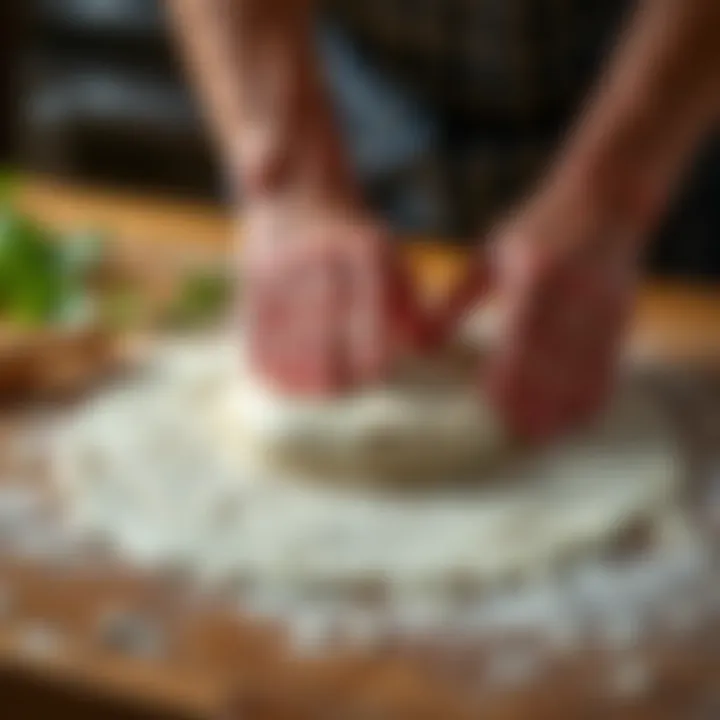
When crafting a pizza that rivals your favorite pizzeria, the dough forms the backbone of this culinary art. It’s the essential substrate that absorbs flavors, supports toppings, and brings texture to the table. Mastering the foundations of pizza dough is not just about following a recipe; it’s a process that combines understanding ingredients and technique, which ultimately elevates your home pizza game.
Key Ingredients for Dough Making
Flour Selection
Flour is the protagonist in the dough-making narrative. Choosing the right type of flour informs the texture and flavor of the final product. For pizza, high-protein flours such as bread flour or "00" flour are often recommended. These types of flour provide the gluten structure necessary for that delightful chew, characteristic of great pizza. An all-purpose flour can work in a pinch but may lack the strength for a truly outstanding crust.
One key characteristic of bread flour is its protein content, usually around 12-14%. This high gluten formation lends to a dough that is extensible yet resilient. However, using "00" flour, common in many Italian pizzas, offers a unique characteristic as it is finely milled, which results in a delicately light and crispy crust when paired with high-temperature baking. Nevertheless, it can be more challenging to find, especially outside of specialty shops.
Pros: Provides great structural integrity.
Cons: Can be harder to handle for beginners.
Yeast Variations
Yeast is the unsung hero that breathes life into your dough. There are mainly two types of yeast you might encounter: active dry yeast and instant yeast. Both have their own flavors and characteristics. Active dry yeast typically gets dissolved in water before it meets the flour, activating it, while instant yeast can be mixed directly into the flour, speeding up the process.
Instant yeast has made a name for itself due to its ability to rise the dough quickly. On the other hand, active dry yeast may give the pizza a slightly richer flavor due to its longer activation time. For those who enjoy experimenting, wild yeasts present in a sourdough starter can create a unique profile that is both flavorful and complex.
Pros: Offers rich flavors and quick activation.
Cons: Requires careful managing of temperatures.
Water Quality
Water may seem like a simple ingredient, yet its quality can significantly affect dough's performance. Using filtered or bottled water rather than tap water can help avoid the presence of chlorine or other chemicals that might hinder yeast activation. The mineral content of the water can also play a role; harder waters may help develop a more robust dough.
One of the most distinct features of your water choice is its pH level. Water that is slightly acidic can enhance gluten formation and overall dough texture, making it a beneficial choice in that regard. Ensure that the temperature of the water complements the yeast you’re using; too hot, and you could kill the yeast; too cold, and it won't activate properly.
Pros: Promotes optimal fermentation and texture.
Cons: Quality can vary significantly.
Kneading Techniques Explained
Kneading isn't just a chore; it’s a vital step in dough preparation. The mechanical action of kneading helps develop gluten, making the dough elastic and pliable. There's a fair amount of debate in the pizza community about the right way to knead.
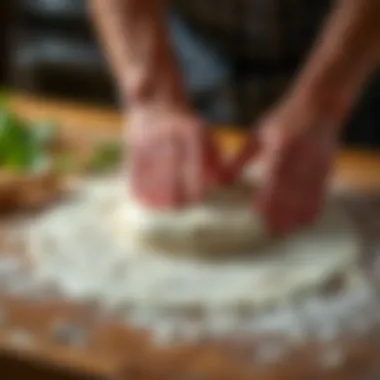
Some bakers prefer the traditional method of hand-kneading, which allows for a stronger feel of the dough's texture and can be quite satisfying. Others may opt for a stand mixer, which simplifies the process and saves time. Regardless of the method, the goal is always to achieve a smooth and elastic dough that springs back when poked. You should typically be kneading for about 8-10 minutes by hand or 4-6 minutes in a mixer.
Fermentation Methods
Fermentation is where the magic happens in pizza dough making. Two primary methods include cold fermentation and room temperature fermentation. Each yields different characteristics in flavor and texture.
Cold Fermentation
Cold fermentation is a technique that slows down yeast activity by placing the dough in the refrigerator. This allows for a longer fermentation time, increasing the complexity of flavors in the dough. The cold environment encourages the development of various organic acids, imparting a sour note that many pizza aficionados appreciate.
A major benefit of cold fermentation is that you can prepare the dough well in advance, sometimes even a few days ahead. It allows for busy pizza enthusiasts to schedule their preparation around their lifestyle while still enjoying exceptional taste.
Pros: Greater flavor complexity.
Cons: Requires planning and patience.
Room Temperature Fermentation
On the contrary, room temperature fermentation is a quicker method that results in a lighter, airier crust. This process typically lasts about 1-2 hours, allowing the yeast to create air bubbles throughout the dough, leading to a softer texture.
The main advantage to this method is instant gratification, as your dough will be ready to go in a fraction of the time compared to its cold counterpart. Yet, it may lack the depth of flavor generated through slow fermentation.
Pros: Fast and responsive.
Cons: Limited flavor development.
Understanding these foundational aspects of pizza dough allows for the crafting of pizzas that are not only satisfying but also a testament to the creator's dedication to the craft. Crafting pizza at home transforms a simple meal into a delightful culinary experience.
Sauce Selection and Preparation
Choosing the right sauce is essential in the pizza-making process. Not only does the sauce set the foundation for flavor, it also influences the overall texture and aroma of the finished product. The sauce acts as a bridge that connects the dough and toppings, melding everything into a harmonious bite. As pizza lovers appreciate, the sauce can either elevate or diminish the quality of the entire pizza. With various sauces available, understanding their distinct characteristics helps to enhance your culinary prowess.
Traditional Tomato Sauce vs. Alternative Bases
When it comes down to sauce selection, many enthusiasts automatically gravitate toward traditional tomato sauce. Tomato sauce has a rich history in pizza making, bringing a balance of acidity and sweetness that pairs remarkably well with cheese and various toppings. However, alternatives have begun to carve their niche in the pizza world.
- Traditional Tomato Sauce: Its foundation typically involves crushed tomatoes, olive oil, garlic, and herbs such as basil and oregano. This combination creates a robust flavor profile that most people associate with classic pizza.
- Alternative Bases: As modern cuisine evolves, innovative alternatives have emerged. Consider pesto, which offers a herby twist thanks to its basil and pine nuts. Additionally, white sauces, often crafted with garlic and cheese, serve as a creamy and decadent option for discerning palates. Then there's barbecue sauce, providing a smoky and sweet kick, perfect for meat-heavy pizzas.
Although tomato sauce shines as the go-to, exploring these alternatives can amplify your pizza night experience.
Making Sauce from Scratch
Creating sauce from scratch not only allows customization but also guarantees freshness. "From scratch" echoes the essence of home cooking, letting the chef control every aspect.
- Ingredients: The beauty of making your own sauce lies in the selection of quality ingredients. Ripe tomatoes serve as the base, but you can choose between cherry, Roma, or San Marzano varieties, each offering subtle flavor distinctions.
- Preparation: Here’s a simple guideline to creating your sauce:
- Seasoning: Taste frequently. Match the flavors to your liking by adjusting salt, pepper, and herbs.
- Use fresh garlic or garlic powder, depending on availability and preference.
- Fresh or dried herbs can be adjusted based on what's on hand and your flavor desires.
- Peeling and Seeding Tomatoes: For a smoother sauce, peel and seed the tomatoes. This helps reduce bitterness.
- Cooking: In a saucepan, drizzle a bit of olive oil and sauté garlic until fragrant. Then add the tomatoes along with the herbs. Allow this mixture to simmer.
- Blending: Once it's cooked down, you can blend it for a smoother consistency, or leave it chunky for added texture.
Making sauce from scratch makes your pizza special and also opens the door to creativity. Each batch can be a unique expression of your taste preferences.
Remember: Every sauce packs its own personality. It’s a good practice to explore, taste, and adapt until you hit that perfect note that resonates with your palate.
To learn more about the nuances of pizza sauce, check out resources like Wikipedia or navigate to culinary discussions on Reddit. Lean into the craft and enjoy the savory journey that is home pizza making.
Topping Choices and Combinations
When it comes to making a pizza at home, the toppings are where the real magic happens. Topping choices and combinations are essential because they not only influence flavor but also texture, color, and overall experience of the pizza. Wrong choices could lead to a soggy disaster or a monotonous bite, while the right balance can elevate a basic pie into a gourmet creation. Thus, understanding the importance of toppings is vital for any pizza enthusiast.
Classic Toppings and Their Proportions
Classic toppings are the stalwarts of the pizza world, recognized and adored by many. These include ingredients such as mozzarella, pepperoni, mushrooms, green peppers, and onions. Each of these toppings contributes specific flavors and textures, creating a harmonious combination.
- Mozzarella: This cheese is beloved for its meltability and slight tang. Typically, a standard pizza uses about 8 ounces of shredded mozzarella for a 12-inch pie.
- Pepperoni: A quintessential topping, pepperoni should be applied moderately. Using around 20-25 slices on a regular pizza allows for that delightful balance of spice and fat without overwhelming the base underneath.
- Veggies: Vegetables, like bell peppers and onions, can be used liberally. Aim for a handful of each, finely chopped, to keep the pizza crisp.
Getting the proportions right ensures that every bite is well-rounded. Too much of one thing often masks the others, which detracts from the overall experience.
Innovative and Unique Combinations
While tradition has its place, innovation in pizza toppings can lead to extraordinary culinary adventures.
- Fig and Prosciutto: Combining the sweetness of figs with the saltiness of prosciutto offers a delightful contrast. The creaminess of a drizzle of goat cheese completes the experience.
- Buffalo Cauliflower: For a unique veggie spin, consider tossed cauliflower in buffalo sauce as a topping. The spicy flavor combined with a ranch drizzle can make for a compelling take on pizza.
- Mediterranean Style: Toppings like feta, kalamata olives, and artichokes provide a savory burst of flavors, bringing a taste of the Mediterranean right to your kitchen.
These combinations often surprise the palate and shift perceptions of what a pizza can be. They invite creativity and allow pizza makers to showcase their personal tastes.
Balancing Flavors and Textures
Finding the sweet spot in flavors and textures is crucial. A well-constructed pizza is not merely a vessel for toppings but a dish where each element plays its role.
Here are some points to keep in mind when balancing flavors:
- Flavor Profiles: Pairing spicy toppings with creamy or sweet elements can offset intensity. For instance, spicy sausage can be pleasantly balanced with a drizzle of honey post-baking.
- Texture Variations: Aim for a delightful crunch with soft elements. A crispy thin crust topped with gooey cheese creates a satisfying mouthfeel.
- Color and Presentation: Aesthetics matter too! Combining colorful veggies can make your pizza visually appealing, often enhancing the eating experience before the first bite is even taken.
In summary, taking time to consider topping choices and their combinations can turn an ordinary pizza into a culinary masterpiece. With creativity and an understanding of balancing flavors, any home pizza maker can craft custom pizzas that are not just food, but a delicious expression of personal taste.
Remember, great pizza is all about balance and harmony. From the classic to the unusual, the right toppings can turn a simple meal into a memorable feast.
Baking Techniques for Optimal Results
The baking process is a crucial stage in creating the perfect pizza. The right techniques can elevate crusts from mere dough to a gourmet experience, transforming simple ingredients into a culinary masterpiece. Keying into this part of pizza making allows you to harness the full potential of your oven, ensuring a properly cooked pie with the ideal texture and flavor.
Oven Types and Their Impact
Conventional Ovens
Conventional ovens are the workhorses of home kitchens around the world. Their ability to evenly distribute heat makes them a solid choice for many, especially for beginners. What this type of oven brings to the table is versatility; they can cook a wide range of dishes, not only pizza.
One key characteristic of conventional ovens is their heating method, which is typically from both the top and bottom. This feature enables a decent bake to the crust while allowing toppings to reach a suitable doneness. However, unlike specialized equipment, they may not reach the high temperatures needed for achieving that crispy, charred crust typical of pizza from professional pizzerias.
"A great pizza isn't made in minutes. It's all about patience and technique."
Although convenient, the disadvantage is that it requires more time for preheating compared to other types of ovens. Moreover, moisture build-up is a concern; some type of pizza may come out soggier if the oven isn’t vented properly, needing adjustments in temperature or cook time.
Wood-Fired Ovens
Wood-fired ovens take the spotlight when it comes to authenticity and flavor. These stone ovens can reach temperatures well above 900°F (around 482°C), creating an environment where pizzas cook in a matter of seconds. The key characteristic that distinguishes them is the use of wood as fuel, which brings unique smoky flavors to the pizza that can’t be replicated otherwise.
Wood-fired ovens are often a luxurious addition for serious pizza enthusiasts. Their unique feature is the oven floor, usually made of thick stones, that retains heat exceptionally well, enabling a beautifully charred crust with an airy, chewy texture.
However, there are downsides to consider. Mastering the use of a wood-fired oven requires skill and experience. Achieving the ideal temperature can be a challenge, as they require constant monitoring and can cool down rapidly if opened too often. For many, the setup may also involve further costs and space considerations.
Pizza Specific Ovens
Pizza specific ovens combine the best of both worlds, designed meticulously for cooking pizza at high temperatures with ease. These compact units often utilize specialized heating elements that mimic that of a wood-fired oven, with some models reaching up to 900°F. A key characteristic of these ovens is their quick heating time and even temperature distribution across the cooking surface.
One major advantage of pizza specific ovens is their size and convenience. They don’t take up as much space as a traditional wood-burning oven, making them a great compromise for those lacking ample kitchen real estate. Moreover, they often come with built-in pizza stones or steel that enhance the baking process.
Nevertheless, their cost can be a hurdle for some. While a great investment for dedicated pizza makers, the upfront expense may not seem justifiable for the casual cook; these ovens can cost significantly more than conventional models.
Temperature Considerations
Temperature is another fundamental piece of the puzzle in the art of pizza-making. Not only does it affect the texture and flavor of the pizza, but it also influences cooking time and the overall ability of your chosen oven to perform effectively. A general rule of thumb is to always preheat your oven, regardless of the type you are using. A hot oven ensures that the mishmash of ingredients comes together perfectly, providing that crispness on the outside while leaving the inside moist, fluffy, and tender. Various factors, including the type of toppings used and the thickness of the crust, can also dictate the ideal baking temperature.
Common Mistakes in Pizza Making
Making pizza at home can be as simple as tossing some ingredients together or as intricate as creating a culinary masterpiece. But, just like a painter can ruin a canvas with a single errant brush stroke, a few missteps can lead to disastrous pizza experiences. Understanding these common mistakes allows enthusiasts to elevate their craft, ensuring pizzas baked in home kitchens rival those from their favorite pizzerias.
Undercooked versus Overcooked Pizza

When it comes to the perfect pizza, cooking time can be the difference between heaven and utter disappointment.
- Undercooked Pizza: One might pull out a pizza that looks deceptively golden brown on top, only to realize the crust is still doughy in the center. This not only ruins texture but can lead to digestive discomfort. It’s vital to trust your instincts, and use a pizza stone or steel that retains heat well. A properly preheated oven is essential to achieve that crispy crust without sacrificing the integrity of the toppings.
- Overcooked Pizza: On the flip side, there's the underbelly of the pizza-making journey—overcooked pizza. Burnt edges, dry toppings, and a charred crust make for a bitter experience that leaves pizza lovers despondent. Knowing your oven is crucial; different styles and models can affect baking time considerably. Check for doneness a couple of minutes before recommended time, and don’t hesitate to rely on your sense of smell and sight. It is better to err on the side of caution.
Poor Dough Handling Techniques
Perfecting the dough is akin to the foundation of a house; it guarantees sturdiness and quality in the final product. However, several missteps can derail your dough-making journey.
- Kneading Errors: Kneading may seem trivial, but it plays a crucial role in developing gluten, which gives pizza its structure and texture. Insufficient kneading could leave your dough weak and crumbly. On contrary, over-kneading can create an overly tough dough that’s hard to stretch. A good rule of thumb is to observe the dough; it should be smooth and elastic yet spring back gently when pressed.
- Improper Shaping: I’ve seen many a pizza get ruined simply by sloppy shaping of the dough. Uneven thickness can cause certain parts to overcook while others remain underdone. Rolling pins are great, but sometimes using your hands is the way to go. Achieving domed edges with a slightly thinner middle not only looks appealing but allows for even cooking.
- Ignoring Resting Times: Patience is a virtue, especially in pizza making. Skipping resting times leads to dense crusts that won't rise properly in the oven. Following recipes for appropriate fermentation and resting is paramount, particularly for dough that is well-hydrated.
By respecting the dough and treating it well, you set the stage for a delicious pizza. Remember, it’s all about finding the right balance.
Learning from these common mistakes can significantly improve the final product. While making pizza can seem straightforward, attentiveness to detail during every step is essential. Avoiding mistakes not only leads to better pizza, but it also makes the process more enjoyable.
Experimentation and Personalization
Home pizza making isn't just a craft; it’s an art that thrives on personal touch and creativity. The beauty lies in the freedom to make it your own, allowing for a unique culinary signature. Engaging in experimentation not only leads to surprising flavor combinations, but it elevates your overall pizza-making skills. Understanding the science behind the ingredients and how different factors interact with each other can make a world of difference in achieving that perfect bite every time.
Incorporating Local Ingredients
Incorporating local ingredients into your pizza-making process can result in flavors that resonate with the culture and environment. Think about it: when you shop at a local farmers' market, you are not just supporting local farmers but also getting access to fresh, seasonal produce. For instance, ripe tomatoes picked at their peak will amplify the essence of your sauce. If you live near coastal areas, why not top your pizza with local seafood, like shrimp or squid?
By embracing ingredients from your surroundings, you not only enhance the taste but also connect with your community. Here’s some food for thought:
- Freshness matters: Locally sourced ingredients often possess a superior flavor.
- Sustainability: Supporting local farmers reduces environmental impact.
- Flavor diversity: Experimenting with different local ingredients can yield a variety of interesting tastes and textures.
Adapting Recipes to Dietary Needs
In today's diverse culinary landscape, adapting recipes to cater to specific dietary needs is essential. Everyone deserves a dish that suits their lifestyle choices, and making pizza is no exception.
Gluten-Free Options
For many people, gluten is a no-go—whether due to celiac disease or gluten sensitivity. Gluten-free pizza dough offers a viable alternative that allows those with dietary restrictions to indulge in delicious home pizza. The key characteristic of gluten-free options lies in their use of alternative flours, such as almond flour or chickpea flour. This not only caters to those with specific dietary needs, but it also introduces a range of new flavors.
One unique feature of gluten-free pizza dough is its varied texture compared to traditional dough; it might not rise as much and can feel denser but brings its own charm. The trade-off is significant. Some may find gluten-free crust less fulfilling than its traditional counterpart. However, with the right baking techniques and toppings, gluten-free pizzas can be a popular choice.
Vegan Alternatives
The rise of plant-based diets has influenced pizza making too, offering a rich array of vegan alternatives. From using tofu as a cheese substitute to utilizing cashew cream instead of dairy products, these options are more than just a trend; they represent a significant lifestyle choice for many.
The key feature of vegan alternatives is their ability to highlight the natural flavors of vegetables. A kale pesto or a roasted red pepper sauce can become a star, while meat substitutes can enhance the pizza's heartiness. While some people might miss traditional cheese and meat, innovative plant-based solutions manage to satisfy cravings without straying from dietary principles.
Engaging in experimentation opens the door to myriad possibilities. Adjusting ingredients according to dietary needs enriches not only your skill but also the flavors enjoyed by all. Each slice helps to form a deeper appreciation for the culinary craft that is home pizza making.
Sharing and Enjoying Pizza
Pizza is more than just a meal. When you make and share it, you're engaging in an act that brings people together. Whether it's a house party, a simple family dinner, or a gathering with friends, pizza has a unique way of creating connections and fostering joyful moments. By exploring the aspects of sharing and enjoying pizza, we uncover how it turns ordinary occasions into extraordinary memories.
Sharing pizza often leads to a richer experience than dining alone. There’s a certain beauty in watching others savor the flavors of your creation. The hearty laughs shared over a fresh pie can sometimes be as satisfying as the taste itself. When discussing pizza art and science, we must recognize the communal aspect it entails. Every slice often sparks conversation, from the toppings chosen to the stories shared over the meal. So, when hosting, consider not just the pizza, but how those moments bring friends and family closer.
Presentation Techniques
How you present your pizza can elevate the dining experience significantly. The visual appeal of pizza is important; it can whet appetites even before the first bite is taken. Here are some techniques to consider:
- Color Contrast: Using vibrant ingredients like green basil, red tomatoes, and yellow cheese can create a feast for the eyes. It's not just about taste; the colors should pop on the plate.
- Cut Sizes: The way you slice your pizza matters. Smaller, bite-sized slices often invite more interaction. Diners feel encouraged to take a few pieces instead of committing to a whole slice.
- Plating: A beautiful wooden board can give a rustic vibe, while a marble slab adds elegance. Consider garnishing the edge with a sprinkle of fresh herbs or a drizzle of infused oil to invite interest.
- Side Items: Think about what accompanies the pizza. A fresh salad or dipping sauces can enhance the meal's presentation and balance.
Remember, a well-presented pizza can spark conversation. You can create excitement and anticipation long before the first slice is served.
Serving Suggestions
When it comes to serving pizza, the manner can influence how it's received. Here are some suggestions that can add flair to your serving style:
- Family Style: Present the pizza whole and allow guests to serve themselves. This offers a casual and inviting atmosphere.
- Pizza Tasting Flight: Offer mini pizzas in different varieties. This way, guests can explore and compare flavors, just like fine wines.
- Pairing Beverages: Consider the beverages that complement your pizza. Sparkling water, craft beers, or a nice red wine can elevate the experience.
- Creative Cut Presentation: Instead of traditional pizza triangles, consider squares or even using cookie cutters for unique shapes.
Ultimately, the way you serve pizza can enhance the entire ambiance of the meal. It’s not just about feeding people; it’s about creating an experience to savor and remember.
"Food is meant to be shared. Pizza, in its nature, invites community. It’s about creating memories, not just meals."
The End
The journey of becoming adept at home pizza making isn’t just a culinary venture; it’s a celebration of flavors, creativity, and community. Mastering the art of crafting pizza at home provides a sense of accomplishment that transcends the kitchen. It fosters a deeper appreciation for the craft that goes into this beloved dish, inviting individuals to explore nuances of flavor and texture that are often overlooked in commercial pizzas.
The Joy of Mastering Home Pizza Making
When you start making pizza at home, it's like opening a treasure chest of potential. There’s a unique thrill in developing your skills, understanding dough characteristics, and experimenting with garden-fresh toppings. Each element, from the flour to the sauce to the herbs, plays a role in creating your signature pie. The most striking part? Each pizza is a reflection of your personal taste and style.
"Cooking is like love. It should be entered into with abandon or not at all."
Embracing the process not only hones your culinary abilities but also invites friends and family into the experience. Picture a bustling kitchen where laughter and stories flow as easily as the melted cheese.
Adding a personal touch, like using heirloom tomatoes or wild mushrooms from the local farmer's market, can elevate a simple meal into a gastronomic delight. Furthermore, creating your pizza allows for dietary considerations and alternatives that cater to everyone at the table—be it gluten-free dough or plant-based cheeses.
In essence, home pizza making is about much more than just feeding the body; it nurtures the spirit. It’s a quest to merge science with art, tradition with innovation, and flavor with friendship. With every pie you bake, you are not just cooking; you are expressing your individuality and sharing a part of your life with those around you.
So, lace up your apron, roll up your sleeves, and dive into the delightful world of pizza crafting. Each attempt—whether a smashing success or a learning moment—adds to your culinary story, making the joy of the pizza-making process ever richer.