
Camping Pizza Makers: A Guide to Outdoor Cooking


Intro
Camping combines the allure of the great outdoors with the simple pleasures of cooking over an open flame. Adding a camping pizza maker to your gear elevates this experience dramatically. The design and functionality of these tools cater to a variety of outdoor enthusiasts, from seasoned campers ready to explore gourmet pizza possibilities to novices looking to spice up their campfire meals.
Cooking pizza while camping may seem a bit odd at first blush, but think of it as a delightful union of tradition and adventure. There's something uniquely fulfilling about crafting your own meal in a natural setting, especially when it involves a dish as beloved as pizza. This article will dive into the essentials of camping pizza makers, taking a closer look at their types, functionalities, and unique techniques that enhance any camping trip.
This guide will provide all the ingredients necessary for a successful campfire pizza night—from constructing a robust foundation with dough-making to crafting a variety of toppings that suit any palate. Expect insights into optimal temperatures, ideal cooking times, and mouth-watering recipes that can be adapted depending on what you have on hand. Let's roll up our sleeves and get to the heart of outdoor pizza-making!
Prologue to Camping Pizza Makers
The world of camping pizza makers opens the door to a delightful culinary experience in the great outdoors. When you set up camp, the main focus tends to sway towards the typical barbecue or grilling options, but what if you could pitch your tent and cook up a fresh, gooey pizza with a crispy crust? This is where camping pizza makers step in, marrying the practicality of outdoor cooking with the beloved tradition of pizza-making.
While most gear seen in camping kits might seem functional and utilitarian, a pizza maker adds a sense of enjoyment and novelty. Picture this: after a long day of hiking, gathering around a fire with your friends and family, dough in hand, and the aroma of fresh toppings wafting through the air. It creates not just a meal, but an experience, enhancing the camaraderie and warmth of a camping trip. But it's more than just good times; there are also certain factors to consider with these specialized cooking devices.
Defining Camping Pizza Makers
At its core, a camping pizza maker is a portable device designed to replicate the traditional pizza-making process in outdoor settings. Unlike regular ovens, these makers are compact and are usually designed to work with alternative fuel sources such as wood, charcoal, or propane. Features vary widely among different models—including heat distribution mechanisms and cooking times—but they all share a common goal: to deliver that perfect slice, no matter where you are.
From wood-fired ovens that churn out pizza reminiscent of a rustic Italian pizzeria to easy stovetop models that can be used over a campfire, there’s something available for every sort of camping adventure. They can generally accommodate a range of pizza sizes and dough thicknesses, providing flexibility depending on personal preference.
These tools are generally made from durable materials meant to withstand outdoor conditions. Most incorporate flame-resistant surfaces and materials like stainless steel or cast iron to aid in even cooking, ensuring that you won’t end up with a charred crust.
The Appeal of Cooking Outdoors
Cooking outdoors can feel like a throwback to simpler times, evoking a sense of adventure and connection to nature. It isn’t just about putting food on the table; it’s about the whole experience. The aroma of cooking mingling with fresh pine air can elevate a meal beyond just taste.
In essence, the act of cooking outside encourages creativity. With a camping pizza maker, you have the freedom to experiment with toppings sourced from local markets or even forage from nearby woods. Think mushrooms picked that day sautéed over the fire, or herbs fresh from your garden—these components can transform a simple camp meal into something truly unique.
Moreover, cooking outdoors offers practical benefits as well. Cleanup tends to be simpler. There aren’t too many pots and pans to deal with; instead, a few tools and a surface are all that’s needed to whip up a feast that feeds the soul.
"Cooking captures elements of memory, and doing it outside adds layers of experience that you simply can’t replicate inside an enclosed space. It’s an art all its own."
As we dive deeper into the specifics of camping pizza makers, the goal is not just about finding the right gadget but also embracing a lifestyle that values simplicity, the thrill of fire, and the joy that comes from sharing good food in great company. Understanding these makers is a step toward creating unforgettable memories on your next outdoor adventure.
The Design of Camping Pizza Makers
When it comes to camping pizza makers, the design holds significant importance. A well-thought-out design means not only ease of use but also a crucial factor in delivering delicious pizzas in the great outdoors. The interplay of aesthetics, functionality, and practicality ensures a productive and enjoyable cooking experience. The concept of cooking outdoors should not be hindered by clunky or overly complicated tools. This section will delve into the various components that make up effective camping pizza makers, with a focus on materials, size, and portability.
Materials Used
Choosing the right materials for camping pizza makers greatly affects performance, longevity, and even flavor.
- Ceramic or Stone Baking Surface: These materials absorb and retain heat, creating a crispy crust that’s often associated with traditional pizzas from a brick oven. The heat retention helps to evenly cook the pizza, preventing any sogginess.
- Stainless Steel Body: Durable and resistant to rust, stainless steel is commonly used for the exterior. Not only does it withstand the wear and tear from trips into the wilderness, it also has the added benefit of being easy to clean.
- Aluminum Components: Lightweight yet sturdy, aluminum is often deployed in the frame or inner structures of pizza makers. Its lightweight nature ensures that it won’t be a burden while carrying to your campsite.
- Non-Stick Coatings: Some models feature non-stick coatings to minimize food sticking. This is a welcome feature for anyone cooking outdoors, as it simplifies cleanup, allowing for more time to relax by the campfire.
"The right materials can transform a simple pizza into an exceptional culinary experience, even under the stars."
Size and Portability
The size and portability of a camping pizza maker truly dictate how accessible it is during outdoor adventures. Factors worth considering include:
- Compact Design: Look for models that are designed to be dismantled or foldable. Compact pizza makers can easily fit in a backpack or a car trunk without taking up undue space.(e.g., the Ooni Karu).
- Lightweight Features: As campers often prioritize keeping their load light, pizza makers that weigh less than 10 pounds are generally considered ideal. This makes hiking to remote spots or setting up a quick picnic far more practical.
- User-Friendly Setup: Some pizza makers may require additional tools for assembly, which can be burdensome. Portable models that allow immediate use straight out of the box score points for convenience.
- Versatile Cooking Methods: The best designs take into consideration different heat sources, accommodating wood, charcoal, or gas. A pizza maker that can adapt itself to different setups offers great flexibility in various camping scenarios.
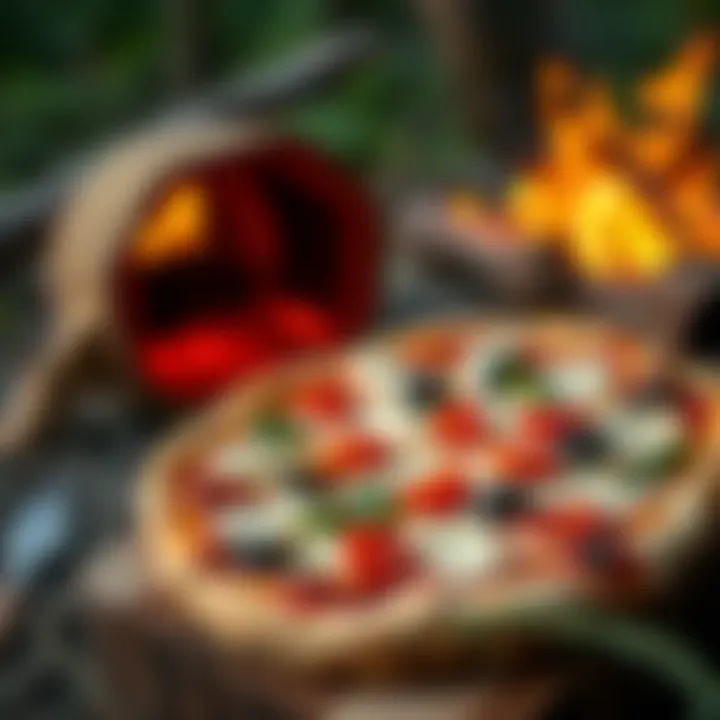
Overall, the design of camping pizza makers functions as the backbone of the cooking experience. Well-thought-out materials and a focus on portability lead to successful and satisfying pizza-making adventures in the wilderness.
Types of Camping Pizza Makers
When it comes to cooking pizza in the great outdoors, the type of camping pizza maker you choose can significantly impact your culinary experience. Different models bring distinct benefits and considerations, ranging from tradition to technology. Understanding these types allows campers to align their cooking preferences with the requirements of their adventures. Not only do they enhance the experience of preparing pizza under the stars, but they can also elevate the communal aspect of outdoor cooking. Let's dive into the most popular varieties.
Wood-Fired Pizza Ovens
Wood-fired pizza ovens represent an age-old tradition, embodying the heart of authentic pizza-making. These ovens, typically made from materials like brick or clay, can reach high temperatures, often exceeding 900°F (482°C), making them ideal for achieving that coveted crispy crust. When using a wood-fired model, the flavor imparted by the wood smoke can be nothing short of divine, adding depth and a unique smokiness to each slice.
- Benefits:
- High temperatures for quick cooking.
- Distinctive flavor profile from wood smoke.
- A communal cooking experience that encourages interactivity.
However, wood-fired ovens also require some dedication to maintain the heat, as setting up and managing the fire can take a bit of time and skill. They tend to be heavier and bulkier than other models, which could be a drawback for those camping in remote areas or hiking trails.
Stovetop Models
Stovetop pizza makers shine for their simplicity and efficiency. These gadgets often resemble frying pans or large skillets with a unique lid that allows heat circulation. They can be used over regular camp stoves, offering a straightforward way to whip up pizzas without too much hassle. Many stovetop models focus on ease of use, making them fantastic for families or beginner campers.
- Advantages:
- Lightweight and portable.
- Quick setup and minimal cooking time.
- Ability to control heat easily, reducing the risk of burning.
These stovetop models often come with non-stick surfaces, which simplify cleanup. However, their cooking capacity can be limited, making it challenging to cook for larger groups unless you have multiple units.
Portable Electric Pizza Makers
Portable electric pizza makers are a newer addition to the camping scene, appealing to those who might want the conveniences of home while enjoying the outdoors. These gadgets typically heat quickly and offer consistent temperature control. While traditionally less popular for camping due to their reliance on electricity, advancements in battery technology have made some models more viable for off-grid use.
- Highlights:
- Consistent temperature for even baking.
- Often equipped with preset cooking options for ease.
- Compact designs make storage and transportation easier.
However, relying on electricity can be a concern in remote areas without power sources. Some outdoor enthusiasts may fail to appreciate the more rustic experience of cooking in nature, preferring the tactile engagement that other types provide. Despite these drawbacks, they can be top-notch for tailgating or glam camping, where comfort takes precedence over ruggedness.
In essence, each type of camping pizza maker offers unique qualities, making it crucial for campers to evaluate their needs before heading out. The right choice can turn a simple meal into an unforgettable bonding experience under the stars.
How to Use a Camping Pizza Maker
Understanding how to properly use a camping pizza maker is pivotal for achieving that delightful, mouth-watering pizza, even while you’re out in nature. Whether you're camping with friends or enjoying a calm family outing, the ability to create wood-fired or stovetop pizza can profoundly enhance your outdoor experience. The preparation steps, cooking techniques, and safety considerations play a significant role in ensuring everything goes off without a hitch. Therefore, let’s break down these essential elements in a detailed and methodical fashion.
Preparation for Cooking
Before getting to the actual cooking, it’s vital to gather all necessary materials and get things set up right. Here are some tips to kick off your pizza-making adventure:
- Select a location: Choose a flat, stable surface away from flammable materials. Ideally, it should be a designated cooking area if available.
- Gather your supplies: Bring a camping pizza maker suited to your needs—be it a wood-fired pizza oven or a portable stovetop model. Collect your pizza ingredients as well, such as dough, toppings, and sauce. You can even include some local produce to add a fresh twist.
- Prep your dough in advance: If possible, prepare the pizza dough beforehand to minimize work at the campsite. Bring pre-made dough or mix the dry ingredients and just add water when ready to cook. It’s a real time-saver!
- Pack minimally but wisely: Use lightweight, compact containers for ingredients. This makes for easier storage and transportation.
Taking these steps ensures you have everything at your fingertips when the hunger strikes, allowing you to focus on the fun of cooking rather than scrambling for ingredients.
Techniques for Perfect Pizza


Now that preparation is out of the way, let's talk about bringing your pizza to life. The techniques you employ will influence the final product more than you might think. Here are some tried and true methods to ensure your camping pizza turns out just right:
- Preheat the pizza maker: If you’re using a wood-fired oven, light it up well in advance to reach optimal cooking temperature. Usually, a temp of about 700 degrees Fahrenheit works wonders.
- Even dough distribution: Roll out your dough on a flat surface, ideally to around a quarter-inch thickness. This will ensure even cooking. When adding toppings, start with sauce, then cheese, followed by your chosen toppings. Remember, simplicity often leads to the best results; avoid overloading the pizza.
- Cooking time: Monitor the pizza closely. In a well-heated wood-fired oven, you’re often looking at just two to five minutes for cooking. If you're using a stovetop model, check periodically to avoid burning.
- Rotate for even cooking: If possible, rotate the pizza halfway through cooking for an evenly baked crust.
These techniques are paramount in achieving that perfect, crispy crust and melty cheese that everyone craves.
Safety Considerations
Cooking outdoors does come with its set of challenges, and safety should always be at the top of your list of considerations. Here are crucial pointers to ensure a safe cooking experience:
- Handling hot equipment: Always use heat-resistant gloves or tools when handling the pizza maker, especially if it’s made of metal, which can get blazing hot.
- Watch the fire: If you’re using a wood-fired model, never leave it unattended. Ensure you have water or a fire extinguisher handy, just in case things get out of hand.
- Proper food handling: Since you’re in an outdoor environment, keeping your ingredients at safe temperatures is critical. Avoid leaving things out too long, especially perishables, to maintain food safety.
- First Aid kit: Always have a first aid kit on site. Accidents can happen, and better safe than sorry.
Camping should be enjoyable, and being aware of these safety aspects significantly minimizes the chance of mishaps.
In summary, using a camping pizza maker is an art form that requires careful preparation, refined techniques, and a savvy approach to safety. Equipped with these insights, you will not only cook up delicious pizzas but also create lasting memories around the campfire.
Unique Pizza Recipes for Camping
When it comes to the outdoors, having a delicious meal can elevate the experience beyond the ordinary. Unique pizza recipes for camping offer an exciting way to introduce creativity and flavor into your culinary adventures. Not only do they give you a chance to showcase your cooking skills, but they also create memorable moments among family and friends beneath the stars. The importance of having distinct recipes lies in how they turn mundane camping trips into gastronomic escapades.
Classic Campfire Margarita
The Classic Campfire Margarita pizza embodies simplicity at its finest. Picture this: a crispy golden crust topped with a zesty tomato sauce, fresh mozzarella cheese, and a sprinkle of basil—just like how the sun kisses the landscape at dusk. Preparing this pizza is easy; start with pre-made dough or mix your own with flour, water, and yeast.
- Roll out the dough until it’s about half an inch thick.
- Spread a generous layer of tomato sauce across the surface.
- Layer with mozzarella and sprinkle fresh basil on top for that aromatic punch.
- Cook over your campfire for approximately 10 minutes, watching carefully until the cheese bubbles and the crust turns golden.
Tip: Use a pizza stone or a grill grate for even cooking. A little pre-heating goes a long way!
This pizza is adored for its fresh and vibrant flavors. It’s not just food; it's a slice of home, bringing familiarity to the wild.
Spicy Chorizo Adventure
If you are in the mood for something with a kick, the Spicy Chorizo Adventure pizza won't disappoint. The warm, smoky flavor of chorizo melds beautifully with melted cheese, creating an irresistible mix. It speaks to the inner thrill-seeker who enjoys a bit of spice in life.
To whip this one up, follow these steps:
- Roll out the dough as per usual.
- Spread a light layer of tomato sauce, ensuring not to drown the base.
- Scatter slices of spicy chorizo evenly over the sauce, adding jalapeños if you crave an extra punch.
- Top off with a blend of mozzarella and cheddar cheeses.
- Pop it over the campfire for around 8-10 minutes, or until you see that golden finish.
Pro tip: Check under the pizza to see if it's cooking evenly. You don’t want a burnt bottom and raw top!
This pizza brings a fiesta into the campsite, making it a favorite among those seeking bold flavors.
Vegetarian Delight
For those who prefer a kinder touch, the Vegetarian Delight pizza caters to the health-conscious without skimping on flavor. Loaded with colorful veggies and hearty toppings, this pizza serves as a vibrant option that even meat lovers will appreciate.
To create this healthy masterpiece, do the following:
- Roll out your dough and place it on a grill or pizza stone.
- Spread a light layer of pesto or tomato sauce; both work wonders.
- Add an array of vegetables—zucchini, bell peppers, red onions, and cherry tomatoes, for instance.
- Top with feta cheese or a sprinkle of parmesan before cooking it on the campfire for about 8-10 minutes.
Remember: Vegetables retain moisture, so watch the cooking time!


This pizza not only satisfies hunger but also brings a wholesome aspect to camping cuisine, showcasing the freshness of local produce.
In essence, unique pizza recipes for camping ignite creativity while fostering joyous bonding experiences among users. Sharing pies under a blanket of stars accentuates the flavors, transforming them into tales of adventure and discovery.
Enhancing the Camping Experience with Pizza
When it comes to camping, few experiences rival the delight of gathering around a crackling fire, the scent of pine trees in the air, and the sound of laughter mingling with the rustling leaves. But the real cherry on top? Enjoying a freshly made pizza with friends or family in the great outdoors. Enhancing the camping experience with pizza is not just about the food; it’s about weaving communal bonds, creativity, and savoring the moment. Let’s explore why this culinary venture transforms a typical camping trip into a memorable adventure.
Social Aspects of Pizza Making
Gathering around a pizza maker isn’t just a cooking function; it’s an event. The social aspect of making pizza is deeply rooted in the spirit of community and togetherness. Here are a few highlights:
- Creating Bonds: Each person can play a crucial role during the pizza-making process—some are kneading dough, others are dicing vegetables or simmering sauces. These activities encourage teamwork and create lasting memories.
- Culinary Diversity: Each camper can put their unique twist on traditional recipes. Some may favor traditional toppings, while others might take a leap and embrace local flavors. This variety not only makes each pizza unique but allows everyone to share something special from their own culinary repertoire.
- Interactive Fun: Unlike simply cooking over a fire, pizza-making invites everyone into the action. Whether it's racing to be the first with ingredients or creatively constructing the “best” pizza, the banter and friendly competition adds a layer of enjoyment.
"Food is not just about sustenance, it’s about togetherness—making memories together around the campfire is what camping is all about."
This interactive experience fosters conversations as people share stories, jokes, and laughter while waiting for their creation to cook. This kind of engagement not only enhances the overall camping experience but creates an atmosphere of warmth and connection.
Incorporating Local Ingredients
One of the most enriching aspects of outdoor cooking is the ability to incorporate local ingredients. Whether you find yourself near a farmer’s market, a roadside stand, or even foraging in the woods, using local ingredients can elevate your camping pizza game. Here are some benefits to consider:
- Freshness: Ingredients harvested locally are typically fresher than store-bought options, resulting in vibrant flavors. Imagine incorporating sun-ripened tomatoes, local goat cheese, or heirloom basil—all these can drastically improve your pizza’s taste.
- Cultural Experience: Using local ingredients is a great way to immerse yourself in the local culture and delicacies of the region you are camping in. Depending upon your location, you may find unique toppings specific to that area, giving a taste of place to your pizza.
- Sustainable Practices: Sourcing local ingredients also promotes sustainability. Supporting local farmers and producers contributes to the economy and reduces the environmental impact associated with transporting food long distances.
Cleaning and Maintenance of Camping Pizza Makers
When investing in a camping pizza maker, it’s crucial to consider not just the pizza it will produce but also how to care for it. Maintaining these appliances ensures they last longer and perform optimally, allowing enthusiasts to enjoy perfect pizzas on their camping adventures for years to come. Neglecting to clean and maintain your pizza maker can lead to less-than-satisfactory cooking experiences, often resulting in crusts stuck to surfaces and flavors compromised by residue.
Post-Cooking Cleanup
After whipping up a delicious pizza, cleaning might seem like a chore. However, a quick post-cooking cleanup can save you a heap of trouble later on. Begin by letting the appliance cool down to a safe temperature. An important tip here: never soak any components that shouldn’t be submerged in water, like electric parts or wooden surfaces. For wood-fired and stovetop models, a simple brush or a scraper can do wonders in removing leftover dough and toppings.
When it comes to baked-on cheese and sauce, using warm, soapy water with a soft cloth often works well. Avoid any abrasive materials, as they might scratch the surface. Here’s a brief checklist to streamline your cleanup process:
- Let the equipment cool
- Remove any excess food debris with a brush
- Wipe surfaces with warm, soapy water
- Rinse and dry thoroughly
Taking just a few extra moments after each meal helps prevent buildup that could affect future pizzas. Plus, it keeps your camping setup looking tidy, not to mention that you'll always have a clean slate for your next culinary creation.
Long-Term Care Tips
To really extend the life of your camping pizza maker, think of it as more than just a cleaning routine; it’s about creating habits. When storing your pizza maker, ensure it’s completely dried to prevent rusting or mold, especially if it’s made of metal. Take time to periodically check for any wear and tear, like loose screws or signs of corrosion, which can lead to costly replacements down the line.
Another wise approach is to season the cooking surface if it’s cast iron. This process involves applying a thin layer of cooking oil and heating it up to protect it from rust and to create a nonstick layer. Just like you would care for a cast iron skillet at home. Consider these long-term care strategies:
- Store in a dry place
- Inspect regularly for damage
- Season cast iron surfaces as necessary
- Follow the manufacturer’s guidelines for maintenance
Taking these steps not only saves you time and money but also enhances your overall pizza-making experience in the outdoors. A well-maintained camping pizza maker is an investment in fun and quality meals in nature, far away from the hustle and bustle of everyday life.
Finale
As we wrap things up, let’s take a moment to ponder the importance of outdoor pizza making—this isn’t just about slapping some cheese and sauce on dough while roughing it in nature. It’s an experience that brings together friends, family, and a shared sense of adventure. Picture this: the sun setting over the horizon, a gentle breeze, the crackle of a campfire, and the delightful aroma of freshly baked pizza wafting through the trees. It’s a scene that transforms an ordinary camping trip into something unforgettable.
The Future of Outdoor Pizza Making
Looking ahead, the landscape of outdoor pizza making seems promising and innovative. There is a fascinating blend of tradition and modernity at play. New designs and technological advancements aren't just about efficiency; they focus on enhancing the overall experience, making it even more accessible for campers of all backgrounds. Picture lighter materials, more efficient fuel options, and even solar-powered pizza ovens becoming commonplace in the wild.
Not to mention the environmental angle. With more awareness around sustainability, future camping pizza makers might utilize eco-friendly materials and improved insulation techniques to conserve heat, thus conserving energy. This could greatly appeal to the conscientious camper who wants to both enjoy the outdoors and tread lightly on it.
Moreover, as communities grow and share their unique pizza recipes—from fresh herbs and local cheeses to wild foraged toppings—there's likely to be an explosion of creativity. As one camper puts it, "Pizza is just the canvas. Nature provides the artistic flair."